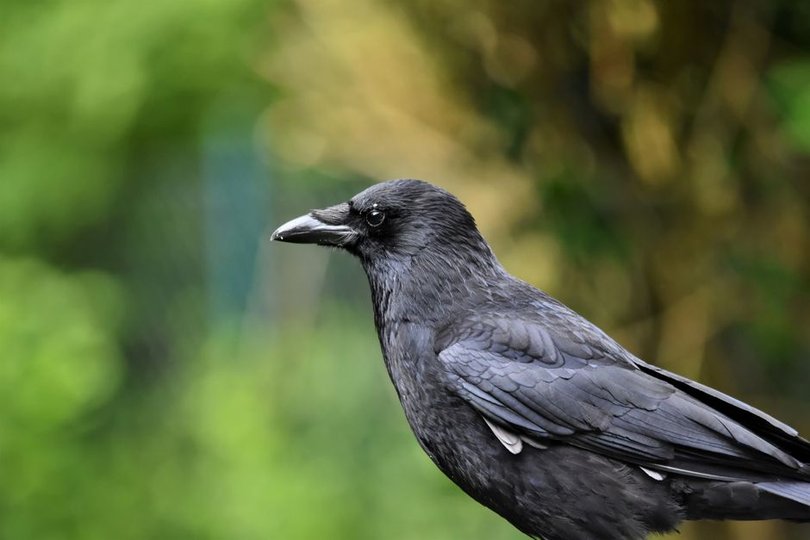
Two carrion crows named Lemmy and Iggy have contributed to a growing body of research challenging the dismissive characterization of birds as unintelligent. In findings published in Science, the crows demonstrated an ability to process and respond to visual cues at twice the speed of humans and monkeys, marking the first quantification of avian neural decision-making speed.
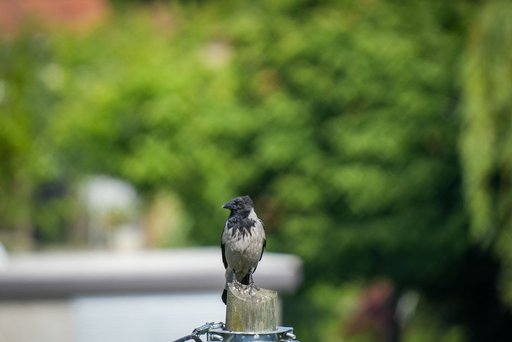
The experiment represents another milestone in a broader scientific shift regarding bird cognition. For much of the 19th and 20th centuries, researchers dismissed birds as cognitively limited based on their small brain size and seemingly simple structure. Even discoveries of complex birdsong and vocal mimicry were initially attributed to specialized adaptations rather than signs of genuine intelligence.
According to Mike Colombo, a neuroscientist and comparative psychologist at the University of Otago in New Zealand, the scientific community has been slow to recognize avian cognitive capabilities. “It’s taken the last 20 years to realize that actually their brain architecture is quite fascinating,” Colombo said, noting that the speed advantage crows demonstrated would not have been anticipated: “We wouldn’t think of birds making these decisions faster than monkeys, or faster than us ‘awesome’ human beings. But they do. They’re just incredibly fast.”
Recent research has expanded understanding of corvid abilities significantly. Studies have shown that pigeons can distinguish between cancerous and noncancerous cells, recognize numerical values, and differentiate between words and non-words. Corvids—the family that includes crows, ravens, rooks, and scrub jays—have demonstrated abilities to recognize themselves in mirrors, solve abstract problems, plan for the future, and exhibit theory of mind, an understanding of what other birds might be thinking that influences their own behavior.
Lemmy and Iggy’s contribution to this research continues their participation in psychology lab studies that have previously established birds’ capacity for tool use, number learning, and object counting. The new findings on decision-making speed add another dimension to the evidence that dismissing something as a “birdbrain” represents a fundamental misunderstanding of avian neural capabilities.
Key facts
- Crows processed and responded to visual cues at twice the speed of humans and monkeys in a new study published in Science
- The research was the first to quantify the neural speed of avian decision-making
- Corvids can recognize themselves, solve abstract problems, plan for the future, and demonstrate theory of mind
- Pigeons have shown ability to distinguish between cancerous and noncancerous cells and recognize numerical values and words
- 19th and 20th century researchers dismissed birds as unintelligent based on small brain size