
Large data centers, which power artificial intelligence systems, consume as much electricity as medium-sized cities and are straining U.S. energy grids. A new Cornell study published November 9 in Nature Energy reveals who is paying for this expansion.
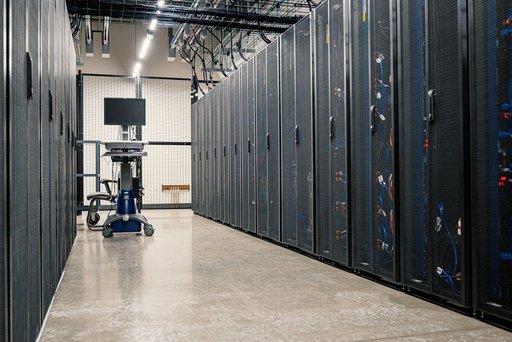
Researchers analyzed energy demand and infrastructure projects across four major U.S. power grids from 2020 to 2025. They found that data centers paid only 38% of infrastructure costs linked to their growth—$3.12 billion of an $8.25 billion bill in 2025. The remaining $5.13 billion, or 62%, fell largely on residents, with the lowest-income households seeing extra energy costs up to 28% of their incomes.
Transmission investment in energy infrastructure projects increased from $2 billion in 2020 to $34 billion in 2025, with data centers driving much of that rise. Data centers are projected to consume between 8% and 17% of U.S. electricity by 2030, with 70% to 80% of that attributed to AI.
The cost burden falls disproportionately on rural and lower-income communities. The share of rural families shouldering a high energy burden—spending more than 6% of their incomes on energy—rose 76% more than among urban residents. Notably, rural residents are also less likely to use AI tools like ChatGPT than urban residents, meaning they bear costs for technology they may not directly benefit from.
Data center growth also increased wholesale electricity prices in affected regions. In Virginia, costs jumped 15%, and in California’s southern Bay Area, 20%. Residents in New York and New England, where data center construction has been limited, have not seen clear price increases.
A key issue is how infrastructure costs are currently allocated—often based on previous patterns of energy consumption. This creates what researchers call a “chicken-and-egg problem”: data centers need infrastructure before they operate, but before they’re built, they’re not using energy. Households end up taking on much of the costs.
The geographic reach is broad. Residents in New Jersey, Pennsylvania, and Ohio help pay for grid upgrades linked to data center growth in Virginia.
Researchers recommend several solutions: data centers could reduce power use during 22 peak demand hours annually to relieve strain; states could charge data centers directly in line with new demand they add; or states could implement programs like Minnesota’s recent law directing funds to low-income households to offset higher energy expenses. The authors also suggest tying tax incentives to job creation and increased wages.
According to the study, each gigawatt of data center capacity can create 15,000 jobs across the economy, with an average 2,700 jobs directly associated with data centers. However, the researchers emphasize that benefits and costs must be balanced.
Key facts
- Data centers paid only 38% of the $8.25 billion in infrastructure costs they triggered in 2025; residents covered the remaining 62%
- Lowest-income households saw extra energy costs up to 28% of their incomes
- Data centers are projected to consume 8% to 17% of U.S. electricity by 2030, with 70%-80% attributed to AI
- Transmission infrastructure investment increased from $2 billion in 2020 to $34 billion in 2025
- Rural families’ share of high energy burden rose 76% more than urban residents’
- In Virginia, data center growth raised wholesale electricity prices by 15%; in California’s southern Bay Area, by 20%
- Each gigawatt of data center capacity creates an average 2,700 directly associated jobs