Jane Street, a major trading firm, operated its only New York City datacenter inside 1 New York Plaza, a conventional office skyscraper in lower Manhattan. According to the account, the firm maintained this unusual setup partly due to intellectual property concerns and partly because leadership wanted the ability to physically pull power cables as a last resort to shut down automated trading systems.

The datacenter occupied about 10 rows of server cabinets, 10 cabinets deep, and included cooling systems, a UPS, and a diesel backup generator—all crammed into the middle of an office building.
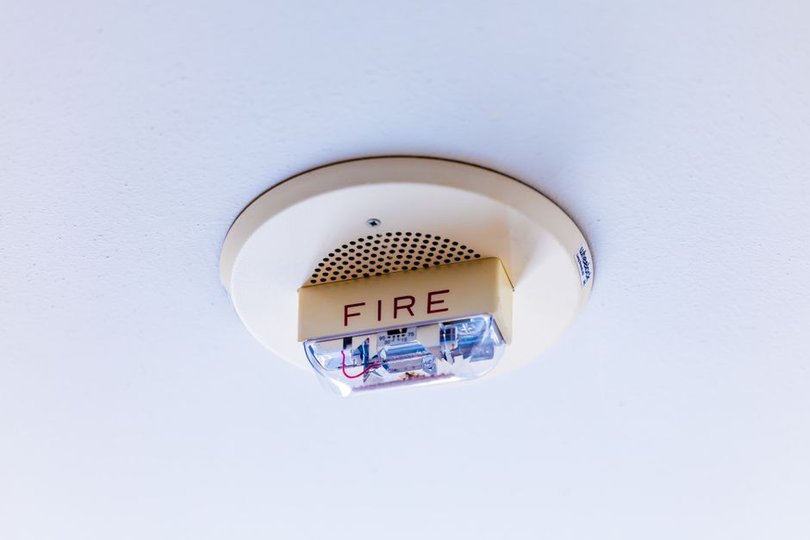
One evening, contractors working in a prep room adjacent to the datacenter kicked up dust while cutting into materials. The dust triggered the building’s smoke alarm. This created a cascade of problems. According to the account, when a smoke alarm activates in an office building with sprinkler systems, the smoke detection wires the building’s computer room air conditioner (CRAC) units to shut down. The logic is that circulating air through a room with an active fire would feed the flames.
However, no actual fire existed—only dust. The problem: turning off the CRAC units caused temperatures in the densely packed machine room to climb rapidly. The building’s sprinkler heads, which had become pressurized when the smoke alarm triggered, were designed to activate once heat reached a certain threshold. If temperatures continued rising, the sprinklers would spray water throughout the datacenter, potentially destroying all equipment.
A systems engineer working on-site that evening received a call from the firm’s Hong Kong office about the alarm. He ran from his nearby apartment to the office and manually pulled power cables from every server in the datacenter, row by row and cabinet by cabinet. According to the account, the temperature reached 143.6 degrees Fahrenheit before stabilizing.
Since major New York markets were closed for trading that day, downtime was minimal and systems were restored the next morning. Following the incident, the firm held meetings to discuss what happened. According to the account, leadership decided to keep the sprinkler system in place, tighten procedures and surveillance, and continue operating the datacenter inside the office building—at least until Hurricane Sandy forced a reconsideration.
Key facts
- A false smoke alarm at Jane Street’s datacenter was triggered by dust from construction work
- The alarm automatically shut down the building’s cooling systems as a fire safety measure
- With cooling disabled, server temperatures climbed toward 143.6 degrees Fahrenheit
- A systems engineer manually powered down all servers before sprinklers could activate and flood the room
- The datacenter was located inside 1 New York Plaza, a conventional office building in lower Manhattan
- The firm maintained the unusual setup partly for security and partly to retain the ability to manually shut down trading systems