In 2023, Google launched Gemini Workspace extensions with an explicit promise: personal content from Gmail, Docs, and Drive “is not seen by human reviewers.” Google has now reversed this commitment.
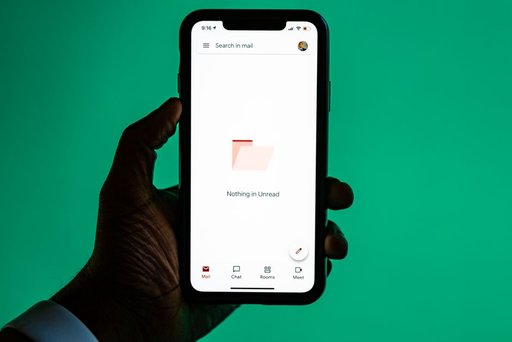
According to updated Google Help documentation (Answer 16836988) and an October 16 edit to a 2023 blog post, Google explicitly confirms that connected Drive and email content is routed into human review pipelines. The company now warns that what reviewers see “may just be the email or file” and advises users not to “connect your apps to Gemini Apps if they contain confidential information that you wouldn’t want a reviewer to see.”
Testing demonstrates that this data ingestion occurs autonomously in background conversations without users explicitly requesting file searches using @Drive or @Gmail tags. The retrieval process is probabilistic, meaning the same query can produce different outcomes.
When Gemini processes queries with Connected Apps enabled, ambient mentions of personal topics—trips, bills, names, reservations—autonomously trigger background Workspace lookups. Testing reveals four distinct possible scenarios: the model does not trigger the Connected Apps tool at all; Gemini pulls metadata or generic summaries; Gemini extracts partial unredacted text including sensitive personally identifiable information; or the complete unredacted file or email text is ingested into the session context.
One documented example involved asking Gemini casually whether an internet bill was too high. Across multiple test runs of the same query, responses ranged from generic advice, to metadata summaries with and without personal data, to direct quotes from the email containing full names, account numbers, confirmation numbers, and payment dates, to complete email text dumps including headers.
Google’s automatic scrubbing tools using regex and named entity recognition cannot sufficiently deidentify narrative data, according to documentation cited in the testing report. This leaves account numbers, confirmation numbers, transaction dates, and collectively identifying personal information combinations vulnerable to exposure during human review.
The shift represents a significant departure from Google’s original sales pitch for Workspace integration, which emphasized strict isolation from human review. Users now have no guarantee against their full files being ingested and reviewed by human contractors during routine conversations.
Key facts
- Google reversed its 2023 promise that personal Gmail and Drive content would not be seen by human reviewers
- Updated Help documentation and blog post now explicitly state connected data is routed through human review pipelines
- Data ingestion occurs probabilistically during casual conversation without explicit file-search requests
- Testing shows four possible outcomes ranging from no data retrieval to complete file ingestion including sensitive PII
- Google’s automatic deidentification tools cannot adequately mask account numbers, confirmation numbers, and other personally identifiable information