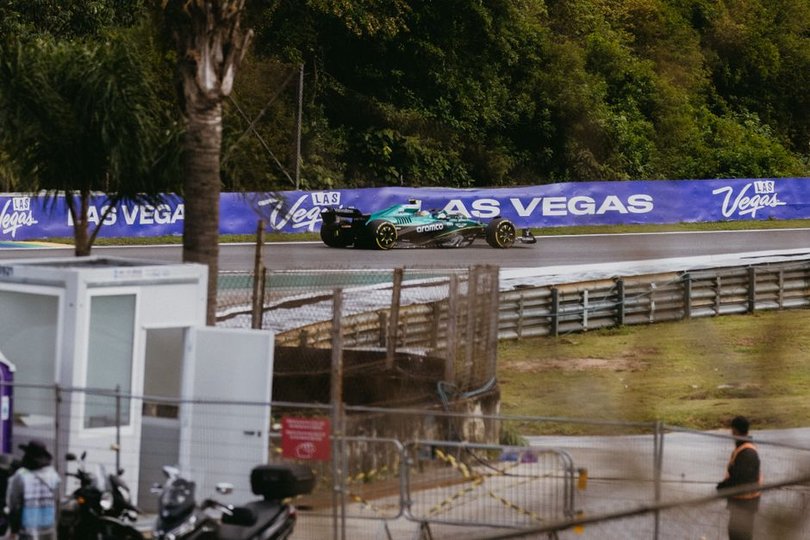
Drivers competing in the Las Vegas Grand Prix must navigate distinct challenges between qualifying sessions and the actual race, according to TSN Racing analyst Tim Hauraney.
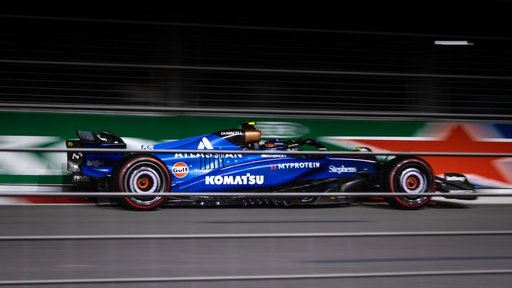
Hauraney explains that the conditions drivers encounter during qualifying differ significantly from those they will face during the race itself on Saturday. This disparity requires competitors to carefully balance their approach, optimizing their performance for both the immediate qualifying session and the longer race distance.
The analyst details how drivers need to strike a balance when preparing for and executing their qualifying runs, taking into account the unique demands each phase of competition presents. Understanding these differences is critical for teams seeking to secure favorable grid positions while maintaining the setup and strategy needed for race day success.
The Las Vegas Grand Prix presents particular challenges due to the nature of street circuit racing and the specific environmental conditions that may shift between the qualifying session and the race itself. Teams must make strategic decisions about vehicle setup and driving approach that account for these variations.
Hauraney’s analysis highlights the technical and strategic complexity drivers face when competing at this high-profile event, emphasizing that success requires more than simply achieving the fastest qualifying lap. The ability to adapt to changing conditions and maintain competitive performance across both qualifying and race scenarios separates top performers from the rest of the field.
The race takes place Saturday, with qualifying preceding it, giving teams limited time to adjust their strategies based on real-time performance data and condition changes.
Key facts
- TSN Racing analyst Tim Hauraney analyzed qualifying conditions for the Las Vegas Grand Prix
- Drivers face different conditions between qualifying and the actual race on Saturday
- The balance between qualifying performance and race strategy is a key consideration for competitors