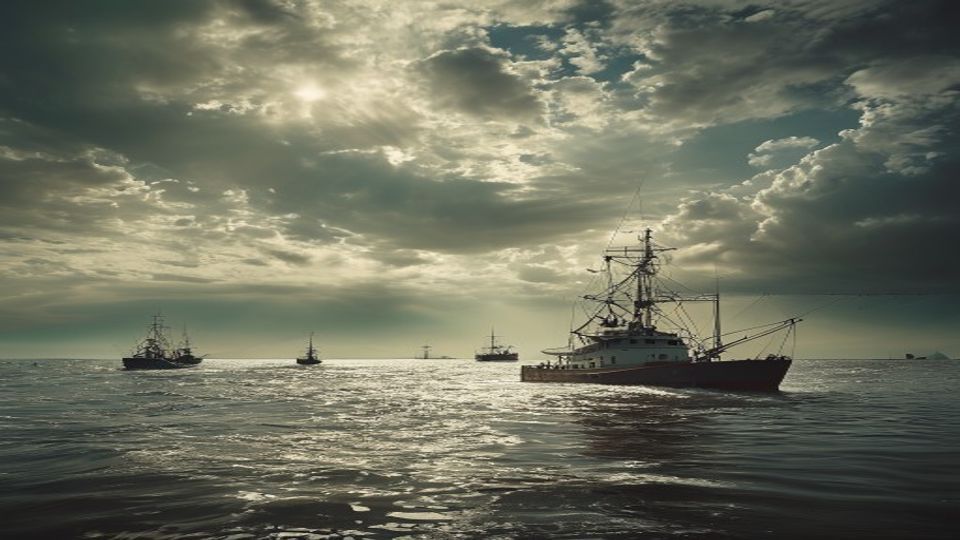
Federal scientists now estimate an 81% chance of a “super” El Niño developing, prompting researchers to examine the 2015-16 season when a Pacific heat wave combined with a strong El Niño disrupted major West Coast commercial fishing fleets.
“I think we’re likely to break global temperature records with this next El Niño,” said Malin Pinsky, professor of ecology and evolutionary biology at UC Santa Cruz, noting the potential for significant impacts on marine fisheries.
Warm ocean waters trigger cascading changes in marine ecosystems. Some organisms die, others fail to reproduce, while some shift their ranges or move deeper. According to Pinsky, marine species are shifting their ranges five to 10 times faster than land species in response to global warming, forcing commercial fisheries to adapt more rapidly than their land-based counterparts.
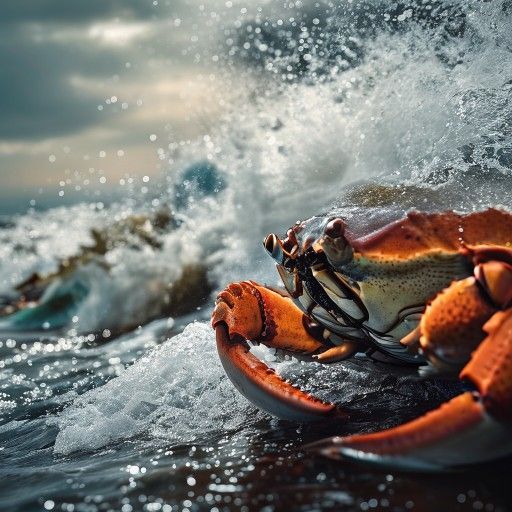
The 2015-16 El Niño provides a cautionary example. Dungeness crabs off California were infected by a harmful algal bloom of Pseudo-nitzschia, which produces domoic acid poisoning. Regulators delayed the crab season for months, compressing the typical seven-month season to roughly two months. During that period, 71% of California Dungeness boats stopped fishing, and more than 200 jobs were lost.
According to Sunny Jardine, a resource and environmental economist at the University of Washington, fishermen rely on predictable seasonal openings to schedule their year. When openings are delayed or shut down, the economic impact is severe, particularly since Dungeness crabs represent their most lucrative annual catch.
Other species also suffered. Market squid, California’s largest commercial fishery by volume, moved north to Oregon during the 2015-16 El Niño and never fully rebounded. Salmon faced dual pressures: drought affected inland rivers where they spawn, while warmer oceans depleted the high-energy prey juvenile salmon need for rapid growth in saltwater, reducing their survival odds.
The upcoming El Niño could similarly affect aquaculture. Two-thirds of U.S. seafood is imported, much of it farmed fish. In 2016, a marine heat wave off Chile combined with excess nutrients to create an algal bloom that destroyed more than 40,000 tons of farmed salmon.
Jessica Gephart, an assistant professor at the University of Washington’s School of Aquatic and Fishery Science, noted that El Niño affects fish meal supplies, particularly from the Peruvian anchoveta—the species for which El Niño was named. Fish meal represents the majority cost for many aquaculture farmers, so supply disruptions lead to price increases for imported farmed fish.
Federal financial relief for affected fishermen remains slow. According to Michael Milstein, spokesman for the National Marine Fisheries Service, the 2024 Chinook salmon fishery disaster request from April 2024 resulted in a $21.3 million allocation by June 2026—over two years later.
Key facts
- Federal scientists estimate an 81% probability of a “super” El Niño
- During 2015-16, California’s Dungeness crab season was compressed from seven months to roughly two months due to harmful algal blooms
- 71% of California Dungeness boats stopped fishing during 2015-16, resulting in over 200 job losses
- Market squid moved north to Oregon during the 2015-16 El Niño and never fully rebounded
- Marine species are shifting ranges five to 10 times faster than land species in response to warming
- Federal disaster relief for affected fishermen typically takes two or more years to disburse