
TV manufacturers collect varying amounts of user data, and practices differ significantly across brands, according to responses to a detailed questionnaire from The Verge.
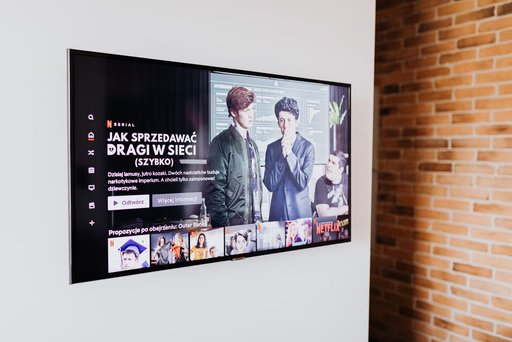
The journalist sent 17 yes-or-no questions to 11 major TV and streaming device manufacturers—Amazon, Apple, Google, Hisense, LG, Panasonic, Roku, Samsung, Sony, TCL, and Walmart’s Vizio—to clarify how they handle customer information and potential surveillance concerns.
Responses revealed inconsistent transparency. Amazon, Samsung, and Roku provided direct answers to most questions, while Apple, Sony, Panasonic, and Vizio declined to answer several. Hisense ignored all contact attempts despite five requests.
On microphone usage, most companies stated their TVs do not continuously listen. Amazon said its Fire TV microphones only activate when a button is pressed, and no audio reaches the cloud without detecting a wake word. Apple stated its Apple TV 4K listens only for the “Siri” wake word using an Always On Processor that ignores other sounds. Samsung said its TVs do not record private conversations, with microphones listening only for specific wake words locally. LG, Google, and Roku offered similar assurances, though with varying levels of detail.
Data storage practices diverged more noticeably. Amazon answered “No” to whether TVs store recorded audio or transcripts. Samsung stated it does not store voice recordings on devices, though it acknowledged storing voice commands on secure servers to process requests and improve services. Google said audio is stored only if users explicitly enable Voice & Audio Activity in their Google Account settings, which is off by default. Roku noted that voice commands may be retained to improve features, with opt-out available in privacy settings. LG said certain information may be stored locally on the TV to support voice features.
The survey also addressed automatic content recognition (ACR), a technology many manufacturers use to identify what customers watch for advertising and analytics purposes. According to the article, this data collection often seems mandatory during setup, but users can typically opt out afterward.
However, effectiveness of opting out remains uncertain. A Northeastern University study cited in the article found that Vizio continued sending data after customers opted out, while Samsung and Roku’s data traffic decreased but did not stop completely. Vizio claimed the continued transmissions were “routine operational data used to support the Vizio experience,” not ACR data.
The article emphasizes that TV users deserve clear, direct answers about data practices rather than relying on complex privacy policies.
Key facts
- A journalist sent 17 yes-or-no questions about data collection and surveillance to 11 TV manufacturers
- Amazon, Apple, Google, Roku, Samsung, TCL, and LG provided answers; Sony, Panasonic, Vizio declined; Hisense ignored contact attempts
- Most manufacturers stated microphones only activate when wake words are detected or buttons are pressed
- A Northeastern University study found that Vizio kept sending data after customers opted out of data collection